Material for reading "Capacity to motivate women’s employment in the digital sector"
3.1 Mapping the benefits from working in the digital sector
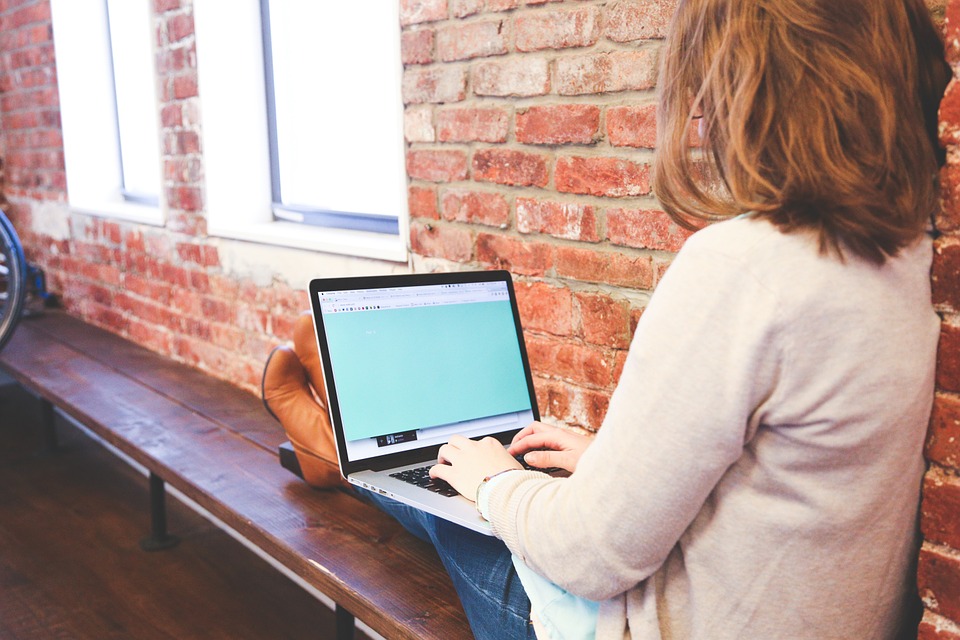 Technological advancement has given rise to a growing
digital economy which continues to create new forms of work, rapidly changing
the labour world. It is estimated that the number of roles requiring digital
skills will grow by 12% by 2024. Digital literacy is an important skill-concept
affecting the character of the work. The job definition is changing, and new
jobs appear. The new digital employment landscape has created new forms of
work, which introduced new demands for advanced digital knowledge and
skills. These new forms also offered
many new tangible benefits to the workers, such as flexibility in terms of
hours and the ability to work from remote locations. Flexible working
arrangements is the most important step towards the creation of an inclusive
culture and the most critical criteria for keeping work-life flexibility. The
option for more flexible and diverse use of time and space at work makes women
feel that their working hours complement their family or social commitments,
and therefore contributes to work-life balance and an increased sense of their
own worth and efficacy. Also, when it comes to rural women with limited skills,
then digital job opportunities might be one category with the highest potential
economic and social benefits.
Technological advancement has given rise to a growing
digital economy which continues to create new forms of work, rapidly changing
the labour world. It is estimated that the number of roles requiring digital
skills will grow by 12% by 2024. Digital literacy is an important skill-concept
affecting the character of the work. The job definition is changing, and new
jobs appear. The new digital employment landscape has created new forms of
work, which introduced new demands for advanced digital knowledge and
skills. These new forms also offered
many new tangible benefits to the workers, such as flexibility in terms of
hours and the ability to work from remote locations. Flexible working
arrangements is the most important step towards the creation of an inclusive
culture and the most critical criteria for keeping work-life flexibility. The
option for more flexible and diverse use of time and space at work makes women
feel that their working hours complement their family or social commitments,
and therefore contributes to work-life balance and an increased sense of their
own worth and efficacy. Also, when it comes to rural women with limited skills,
then digital job opportunities might be one category with the highest potential
economic and social benefits.
 Links for the self-learning
ICT for work: Digital skills in the workplace
3.2 Digital sector is delivering financial
benefits
In a 2018 study, Valentin Bolotnyy, a Harvard University economics researcher, noted that today’s pay gap is a result of how workplace flexibility interacts with people’s personal life preferences and constraints. For women, having access to the digital sector not only contributes to inequality reduction but also contributes to women’s financial autonomy. Because ICT is one of the highest-paying sectors in the market, on average, women in the digital workforce are paid higher than women in other professions. According to gender pay gap statistics (EIGE, 2018) the gender earning gap of 13% is smaller among ICT specialists than among health professionals (26%) or other employees (33%) in the EU. Financial benefits offered by digital jobs would contribute to reducing the gender pay gap. In short, closing the gender pay gap may help women sidestep traditional barriers to their full economic, entrepreneurial, social, or financial inclusion.
 Links for the self-learning
New analytics tool looks at the impact of digital skills on pay
3.3 Role Models matter
 Apart from the financial advantages mentioned above,
the process of learning to use digital tools and aiming for careers in
technology can increase the self-confidence of women and enable them to reflect
critically on their role in a global society as well as traditional gender
roles more generally. At the same time, in order to enter the digital labour
market, women need to be encouraged to escape the trap of stereotypes and
insecurity, gender biases, and institutional barriers. The successful career
paths of other women in the digital field can promote an alternative
representation of women and opportunities in the digital age and have an
amplified benefit for women. These non-traditional roles, positive examples and
success stories of female professionals can inspire and influence existing
social attitudes towards women and change women’s personal aspirations and
career potentials. Despite all of their differences, role models do have a few
things in common – they are all passionate and committed to turning their ideas
into a reality. The Go Digital project (https://godigital.lmlo.lt/success_stories.html?lang=en) has published
inspiring success stories on a wide range of women, from the countries
participating in the project, aiming to inspire and motivate other women to be
employed in the digital sector. These stories can be used by adult
educators-coaches during the learning journey to empower women to acquire
relevant digital experience.
Apart from the financial advantages mentioned above,
the process of learning to use digital tools and aiming for careers in
technology can increase the self-confidence of women and enable them to reflect
critically on their role in a global society as well as traditional gender
roles more generally. At the same time, in order to enter the digital labour
market, women need to be encouraged to escape the trap of stereotypes and
insecurity, gender biases, and institutional barriers. The successful career
paths of other women in the digital field can promote an alternative
representation of women and opportunities in the digital age and have an
amplified benefit for women. These non-traditional roles, positive examples and
success stories of female professionals can inspire and influence existing
social attitudes towards women and change women’s personal aspirations and
career potentials. Despite all of their differences, role models do have a few
things in common – they are all passionate and committed to turning their ideas
into a reality. The Go Digital project (https://godigital.lmlo.lt/success_stories.html?lang=en) has published
inspiring success stories on a wide range of women, from the countries
participating in the project, aiming to inspire and motivate other women to be
employed in the digital sector. These stories can be used by adult
educators-coaches during the learning journey to empower women to acquire
relevant digital experience.
 Links for the self-learning
3.4 Digital transformation is
the key to work-life blend
 Blending lifestyle elements and the workplace can
create a great balance for working mums and can help to alleviate pressure on
work/life balance. As mentioned before, the digital transformation is already
impacting many aspects of daily life and changing the structure and the
character of the labour market. This transformation and the addition of new
working arrangements, like remote work, enable working mothers to stay in the
workforce. The possibility of having a culture of flexible working allows
working mothers to more easily combine paid work with caring responsibilities
and therefore balance their dual roles.
Blending lifestyle elements and the workplace can
create a great balance for working mums and can help to alleviate pressure on
work/life balance. As mentioned before, the digital transformation is already
impacting many aspects of daily life and changing the structure and the
character of the labour market. This transformation and the addition of new
working arrangements, like remote work, enable working mothers to stay in the
workforce. The possibility of having a culture of flexible working allows
working mothers to more easily combine paid work with caring responsibilities
and therefore balance their dual roles.
Considering how the nature of work has shifted radically, with the possibility of many more jobs being done anywhere, now women have the opportunity to look for a career choice on a global scale and thus escape from the reasons that may discourage them from working in their country’s economy. This digital transformation redefined the way they work and enabled them to shape their work life.
Links for the self-learning
Work-life balance:
Health and well-being in the digital era